9 Best Mayfly Patterns for Trout

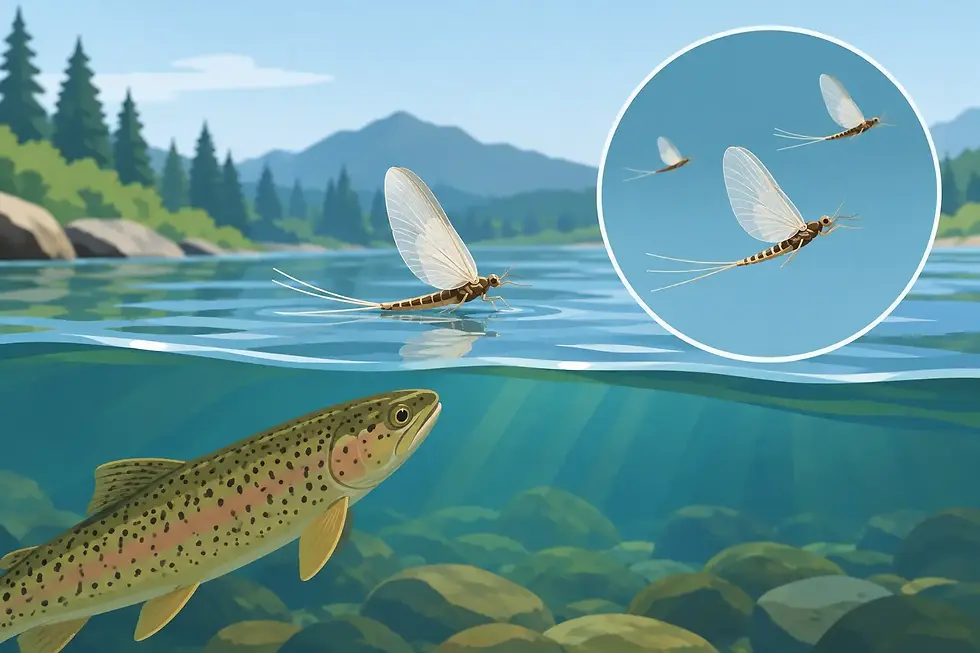
You can stand on a good trout river during a mayfly hatch, see noses breaking the surface, and still get ignored for an hour if your fly is in the wrong stage. That is why the best mayfly patterns for trout are not just a handful of famous dries. A strong mayfly box covers nymphs, emergers, duns, and spinners so you can match what fish are actually eating instead of what looks good in your hand.
Mayflies are too important to treat as a one-fly category. Trout key on them in freestones, spring creeks, tailwaters, and big western rivers, but the feeding window changes fast. One hour they are taking nymphs just below the film. The next they are sipping cripples. Late in the evening they may switch to spent spinners. If you want proven performance without stuffing your box with every pattern ever tied, start with a small group that covers the real situations you face most often.
The best mayfly patterns for trout start with coverage
A useful mayfly selection is built around function first. You need a few patterns that imitate each vulnerable stage well, fish cleanly, and hold up after multiple trout. That matters whether you are filling a first fly box or replacing confidence flies before a trip.
The biggest mistake anglers make is overcommitting to dry flies. Dry-fly eats are memorable, but trout often feed on mayflies before they ever break the surface. If your box only has adult imitations, you are missing the stage fish can eat with less effort and less risk.
If you only carried one mayfly nymph pattern for trout, the Pheasant Tail would be hard to beat. It suggests a wide range of mayfly species, has a slim natural profile, and works in sizes that matter on most trout water. On tailwaters and technical rivers, it is often good enough even when it is not a perfect hatch match.
Fish it dead drift under an indicator, on a euro rig, or as the point fly in a two-nymph setup. Sizes 14 through 20 cover a lot of water. Beadhead versions help you get down quickly, while unweighted versions shine in shallow riffles and as dropper flies under a dry.
The Hare's Ear is less specific than a Pheasant Tail, but that is part of its strength. Its buggy body and soft movement suggest many mayfly nymphs, especially in rougher water where trout have less time to inspect details. It is a practical choice when you know mayflies are present but cannot pin down the exact species.
This is a great searching pattern on rivers and pocket water. If fish are opportunistic rather than selective, a Hare's Ear often outperforms more exact imitations. The trade-off is that on flat, clear water with pressured trout, a slimmer and more defined mayfly nymph may get more eats.
3. RS2
Few patterns handle selective trout better than the RS2. It can pass as a nymph, emerger, or cripple depending on how you fish it, which makes it one of the most efficient mayfly patterns you can carry. On tailwaters and spring creeks, it earns its place every season.
Fish it small, usually in sizes 18 to 24, and do not be afraid to go without flash or weight. The RS2 is at its best when trout are focused on tiny baetis or other small mayflies in the film. If fish are rising softly but refusing standard dries, this is often the fix.
4. WD-40
The WD-40 is another must-have for midge and mayfly crossover situations, but it is especially strong during small mayfly activity. It is a simple, sparse pattern that shines when trout are feeding just below the surface and keying on emerging insects.
This fly is a staple on pressured western tailwaters for a reason. It is not flashy, and that is exactly the point. If your usual beadhead nymphs start looking too bulky or aggressive, a WD-40 gives trout a much more believable mayfly impression.
Best mayfly patterns for trout on the surface
Once trout commit to adults, presentation still matters more than the fly name on the package. But some patterns consistently solve real problems, especially drag, visibility, and those frustrating refusals that happen when fish key on vulnerable insects rather than perfect upright duns.
The Parachute Adams is one of the best all-around mayfly dry flies ever created. It does not imitate every hatch perfectly, but it matches the profile of many mayflies well enough to fool trout across a huge range of waters. It floats well, remains visible, and is easy to justify carrying in multiple sizes.
For many anglers, this is the default dry when mayflies are present but species identification is uncertain. It is especially effective during mixed hatches or when fish are feeding generally rather than locking onto one exact bug. The limitation is obvious on highly technical water, where trout may reject a generic dry in favor of something lower riding or more hatch specific.
6. Comparadun
The Comparadun sits flush in the film and offers a more realistic mayfly silhouette than a lot of traditional dry flies. That low-riding posture makes a difference when trout are feeding carefully in slower water. If fish are refusing higher floating dries, a Comparadun is usually one of the first better options to try.
It is especially strong for PMDs, BWOs, and other common mayfly hatches where a clean profile matters. The downside is durability. Compared with some bushier dries, it can get chewed up faster and may need drying and dressing more often.
7. Sparkle Dun
The Sparkle Dun improves on the standard dun idea by adding a trailing shuck, which gives trout the impression of an insect still struggling free. That is a big deal during emergences, because fish often prefer bugs that are not fully escaped from the surface.
If you see trout rising steadily but turning away from standard adult patterns, try a Sparkle Dun before changing your whole setup. It blends adult profile with emerger vulnerability. On many days, that is exactly what trout want.
8. Cripple pattern
A mayfly cripple is not one exact fly, but the category deserves a permanent place in your box. Cripples imitate insects that failed to emerge cleanly or are stuck in the film. Trout love them because they are easy meals that cannot leave quickly.
This is one of the best answers to classic refusal problems. If fish are rising in a consistent lane and your dun pattern keeps getting inspected and ignored, a cripple often changes the game. It depends on the hatch, but during heavy emergences, cripples can outfish clean adult patterns by a wide margin.
9. Spinner pattern
Many anglers leave before the spinner fall and miss some of the most reliable dry-fly fishing of the day. Once mayflies mate and fall spent to the water, trout can feed with confidence because the insects are finished. A simple spent-wing spinner pattern is essential if you fish evenings during mayfly season.
Spinner falls are often subtle at first. You may not see obvious splashy rises. Instead, watch for gentle sips in softer seams and tailouts. Long leaders, clean drifts, and a low-profile spinner usually matter more here than extra fly changes.
How to choose mayfly patterns without overbuying
A practical mayfly box does not need dozens of variations. For most trout anglers, a smart starting lineup is Pheasant Tails and Hare's Ears in sizes 14 to 18, RS2s and WD-40s in 18 to 22, and surface patterns in a few key styles for BWOs, PMDs, and larger mayflies when relevant to your water.
Think in terms of stage and size first, then color. A trout will often forgive minor shade differences if the fly is the right size and sits at the right depth. The reverse is less true. A beautifully matched color on the wrong hook size or wrong stage usually gets less attention.
There is also a value angle here that matters. Mayfly fishing can burn through flies fast, especially when you are running droppers, fishing over rocks, or experimenting through a hatch. Stocking proven patterns at sensible prices gives you room to fish more confidently instead of babying every fly in your box. That is one reason anglers who buy from places like Discount Quality Flies tend to build better working selections instead of a few overpriced showpieces.
When each pattern matters most
If you are prospecting before visible rises, start subsurface with a Pheasant Tail or Hare's Ear. If fish begin feeding just under the film, shift toward an RS2 or WD-40. Once you see consistent surface takes, start with a Parachute Adams if the hatch is loose, then get more specific with a Comparadun or Sparkle Dun when trout grow selective.
If refusals increase, do not assume the hatch is over or the fish are impossible. More often, trout are keying on vulnerability. That is your signal to try a cripple or watch for an evening spinner fall. Those small adjustments usually matter more than changing tippet brands, swapping rods, or blaming the river.
The best mayfly patterns for trout are the ones that help you stay one step ahead of what fish are actually eating. Build your box around the full life cycle, carry proven sizes, and let the water tell you which stage matters most. A handful of dependable patterns will catch far more trout than a giant box full of guesses.