Are Tungsten Beads Worth It for Trout Fishing?

A good nymph drift often comes down to a few inches. If your fly is ticking along just above the bottom while the trout are feeding tight to the rocks, the pattern may look perfect and still get ignored. That is why anglers ask, are tungsten beads worth it? For many trout situations, the answer is yes - especially when getting down quickly matters more than saving a little money per fly.
Tungsten bead-head nymphs are not automatically better in every run. They cost more, can snag bottom more often, and are unnecessary in some shallow water. But their density gives you a major advantage: more weight in a smaller bead. That lets you fish a natural-looking nymph at the depth where trout are actually feeding.
Why tungsten beads change a nymph's performance
Tungsten is significantly denser than brass, the other common bead material on nymphs. Put two similarly sized beads on the same fly, and the tungsten version carries more weight. That extra weight gets a nymph through the surface film and current faster, with less need for split shot or an oversized indicator rig.
The practical benefit is not simply that your fly sinks. Nearly every weighted nymph sinks eventually. Tungsten helps it reach the strike zone sooner and stay there through more of the drift. On a fast riffle, deep seam, plunge pool, or tailwater run with steady current, those extra seconds near the bottom can make a noticeable difference.
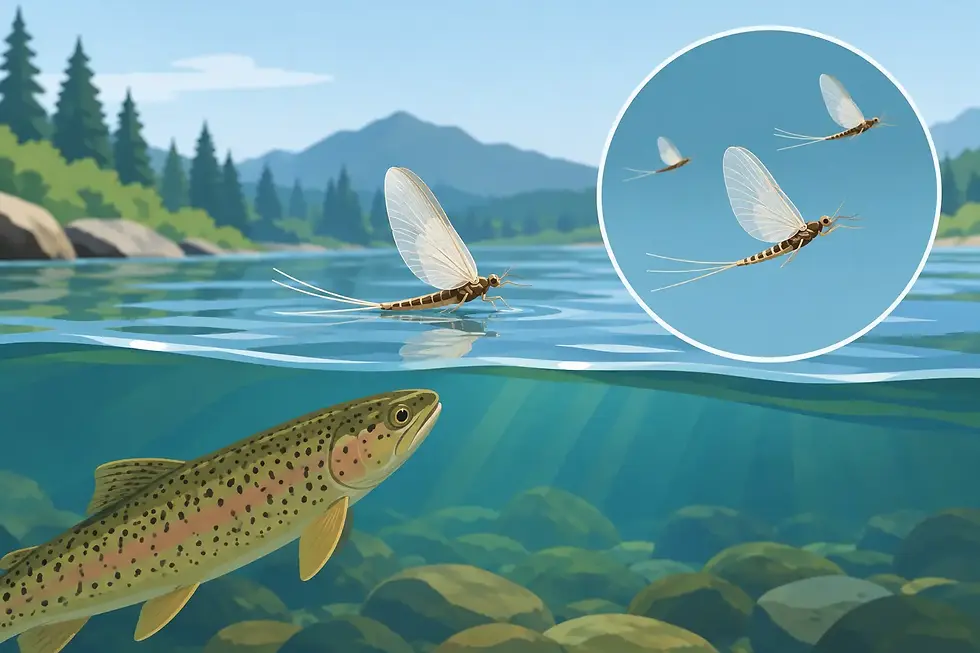
A smaller profile is the other advantage. You can fish a size 16 or 18 Pheasant Tail, Hare's Ear, Frenchie, or Perdigon with a tungsten bead and still get useful weight. A larger brass bead may sink acceptably, but it can make a small mayfly imitation look bulky or push you toward a pattern size larger than the natural insects trout are seeing.
Tungsten also works well in two-fly rigs. A heavier point fly helps bring both flies down, while a lighter dropper can drift naturally above it. Instead of piling on split shot, you can let a tungsten bead-head nymph do much of the work.
Are tungsten beads worth it for your fishing?
Tungsten beads are worth the added cost when depth, speed, and fly size are working against you. They are particularly valuable for anglers who fish freestone rivers, pocket water, tailwaters, and any water where trout spend much of the day near the bottom.
Consider a moderately deep run with a fast walking-speed current. A light nymph may take half the drift to reach fishing depth. By the time it gets down, it is already approaching the end of the seam. A tungsten bead gives you a better chance of starting the drift in the zone rather than hoping the fly gets there in time.
They are also a strong choice during cold-water periods, when trout often hold low and conserve energy. Winter fish may not move far to take a meal. A nymph drifting a foot above them is not as useful as one passing naturally at their level.
When tungsten is usually the smart buy
Reach for tungsten bead-head flies when you are fishing deeper runs, faster currents, or heavy pocket water. They earn their place when spring runoff adds flow, when a tailwater seam has push, or when you need to get a small nymph down without turning it into an unnatural-looking oversized pattern.
Tungsten is also useful when you want a cleaner, simpler setup. More weight built into the fly can mean less split shot, fewer tangles, and an indicator that is easier to adjust. Euro nymph anglers especially benefit because a dense point fly helps maintain contact and keeps the rig from skating too high in the water column.
A tungsten bead can be the difference between catching fish and merely fishing water when you are dealing with a short, demanding drift. Think tight pockets behind boulders, deep slots along a bank, and narrow seams where trout have only a moment to see your fly.
When brass or unweighted flies make more sense
There are plenty of times when tungsten is more weight than you need. In shallow, slow water, a heavy nymph can crash to the bottom, drag, and spook trout. A lighter brass bead or unweighted fly often offers a softer entry and a more natural drift in skinny spring creeks, glassy tailouts, and low-clear summer flows.
Tungsten may also be excessive when fishing a dry-dropper setup. If the dry fly cannot support the nymph, the whole rig becomes difficult to cast and lands with a splash. A small brass-bead nymph, lightly weighted emerger, or unweighted soft hackle can be a better match beneath a dry.
Cost matters, too. Losing flies to rocks, logs, and bottom structure is part of nymphing. If you are learning a new river or probing snaggy water, it makes sense to carry dependable brass and tungsten options rather than fishing every run with your most expensive patterns. Quality flies should fish hard, but there is no reason to spend more weight than the water requires.
The real trade-off: depth versus drift control
A tungsten bead gets down quickly, but that does not mean heavier is always better. Too much weight causes frequent bottom snagging and can create a dead, dragging presentation. Your goal is not to dredge every inch of riverbed. The goal is to make occasional contact while keeping the fly moving naturally with the current.
If you are snagging every cast, first try moving the indicator slightly shallower, reducing split shot, or changing to a smaller tungsten bead. If your indicator rarely pauses, twitches, or hesitates in a run where you expect bottom contact, add weight or choose a denser fly. Small adjustments are more productive than jumping from a nearly weightless nymph to the heaviest fly in the box.
Bead color is a secondary consideration. Gold, copper, black nickel, and tungsten-colored beads all catch trout. Bright beads can add a trigger point in off-color water or fast current, while darker beads may look less conspicuous in clear, pressured water. Still, depth and drift usually matter more than bead color. A well-presented nymph with the "wrong" bead color is generally more effective than a perfect color drifting too high.
How to stock a practical tungsten nymph box
You do not need every nymph pattern in tungsten. Start with proven trout flies that cover common food sources and water types. A few weighted mayfly nymphs, a caddis larva or two, a scud for tailwaters, and streamlined Perdigon-style patterns will cover a lot of fishing.
Carry the same productive pattern in more than one bead weight when possible. For example, a smaller tungsten Pheasant Tail can handle a shallow riffle or moderate seam, while a larger-bead version can serve as the point fly in deeper water. This approach gives you control without requiring a completely different fly selection for each river.
Pay attention to hook size as well as bead size. A large tungsten bead on a tiny hook may fish aggressively deep, but it can alter the pattern's proportions. On highly selective trout, a balanced profile often matters. On high water or fast pocket water, a slightly larger, heavier pattern can be exactly what you need.
If you fish a two-nymph rig, make the lower fly your anchor most of the time. Use tungsten on that point fly, then fish a lighter nymph or emerger above it. This setup keeps the entire rig organized and gives the upper fly more freedom to move naturally. It also makes it easier to tell which pattern is producing strikes.
Fish the water before blaming the fly
Tungsten beads are a worthwhile tool, not a substitute for good presentation. Before changing patterns, watch your drift. Are you reaching the depth where trout hold? Is the indicator moving at the same speed as the current? Are you mending enough to prevent drag? A proven nymph placed in the right lane will outfish a fancy fly that never reaches the zone.
Keep a mix of tungsten, brass, and lightly weighted nymphs in your box, then let the water make the choice. When the current is strong and the bottom is where the trout are feeding, a tungsten bead is one of the most affordable ways to put a better drift in front of more fish.