Fluorocarbon vs Nylon Tippet for Trout

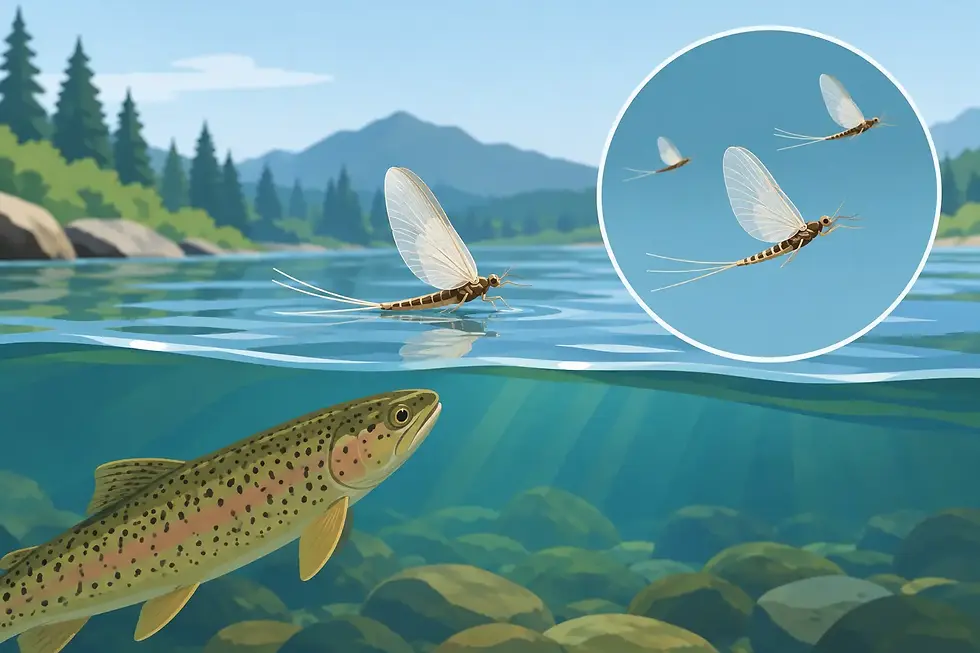
A trout rises once along a shaded bank, sips something small, and disappears. You have one clean drift before the current pulls your fly out of the lane. In moments like that, the fluorocarbon vs nylon tippet decision is not a gear debate for its own sake. It affects whether your dry fly lands naturally, whether your nymph reaches the right depth, and whether a good fish sees the connection before it eats.
Both materials catch trout. Neither is automatically better in every situation. Nylon is still the right answer for much of dry-fly fishing, while fluorocarbon earns its place when depth, abrasion resistance, and low visibility below the surface matter most. A well-stocked trout angler carries both and chooses based on the water, the fly, and the presentation.
Fluorocarbon vs Nylon Tippet: The Core Differences
The biggest practical difference is how each material behaves in water. Fluorocarbon is denser than water, so it sinks. Nylon is less dense and tends to float or ride in the surface film, especially when treated with floatant. That one distinction makes the choice easier than it first appears.
Fluorocarbon also has a refractive index closer to water than nylon. Put simply, it can be harder for trout to see underwater, particularly in clear, slow water where fish have time to inspect a nymph or streamer. It is also more abrasion-resistant, a real advantage around rocks, submerged wood, and the rough mouths of larger trout.
Nylon is generally more supple and has more stretch. That helps it turn over light dry flies without making them look stiff or unnatural. The extra stretch can cushion a sudden take, reduce break-offs on light tippet, and make close-range fishing more forgiving. It is also usually less expensive, which matters when you fish often and go through plenty of tippet during a season.
Neither material eliminates the need for good knots, correct tippet size, and drag-free presentation. Trout are far more likely to refuse a fly because it drags unnaturally than because your tippet is not the latest premium spool.
When Nylon Tippet Is the Better Choice
Choose nylon first when you are fishing dry flies, emergers high in the film, or other patterns that must stay buoyant. A buoyant tippet supports the entire presentation. Fluorocarbon can slowly pull a tiny dry fly down or create a visible disturbance at the surface, especially when fishing delicate flies such as Parachute Adams, Blue-Winged Olive dries, or small caddis patterns.
Nylon’s suppleness also helps with natural movement. On a spring creek or smooth tailwater, a soft 5X or 6X nylon tippet lets a small dry fly drift and pivot more naturally than a stiffer material can. That is valuable when trout are selectively eating mayflies in flat water.
For beginners, nylon is often the best all-around starting point. It costs less, works well for dry flies and many shallow nymphing situations, and offers a bit of shock absorption while learning to set the hook and fight fish. If you are building a simple trout setup, carrying nylon in 4X, 5X, and 6X covers a wide range of fishing.
Nylon is also a smart choice when you are using a dry-dropper rig with a buoyant indicator fly and a relatively light nymph. The dry needs enough support to stay floating, and the small amount of added stretch can help protect fine tippet when a trout hits the nymph hard below the surface.
There are exceptions. In extremely clear water with educated trout, nylon can still catch fish, but stepping down in diameter and improving your drift may be more useful than switching materials alone. Do not give up a better dry-fly presentation simply because fluorocarbon is less visible underwater.
Keep Nylon Floating When It Counts
Nylon can sink after it absorbs water or collects surface scum. Apply a tippet floatant before fishing a dry fly, then refresh it as needed. This simple habit prevents the leader and tippet from drawing a tiny V-wake that can put selective trout down.
Keep excess tippet off conflicting currents, too. A floating line is easier to mend, but it can create drag if too much lies across fast and slow seams. Use enough length for a natural drift, not so much that line management becomes the problem.
When Fluorocarbon Tippet Pays Off
Fluorocarbon is the practical choice for nymphing, euro nymphing, fishing deep under an indicator, and throwing streamers. Because it sinks, it helps get flies down without fighting against the presentation. In many cases, that means a more direct connection to the fly and better strike detection.
When fishing bead-head nymphs through fast pocket water, fluorocarbon gets the rig into the feeding zone quickly and stands up better when it rubs against rocks. On a technical tailwater, it can be a good choice for small midge pupa or mayfly nymphs fished below the surface, where trout have a long look at the offering.
Its abrasion resistance becomes especially valuable around heavy cover and when targeting larger trout. A thick-bodied brown trout that runs under a logjam can test any tippet. Fluorocarbon will not make a poor angle safe, but it provides more protection against scrapes than nylon of a similar diameter.
Fluorocarbon is also useful for subsurface droppers below a dry fly. The dry fly section can be nylon, while the tippet below it can be fluorocarbon. This combination keeps the top fly floating while allowing the nymph to sink efficiently. It is a practical rig for trout feeding in the middle or lower part of the water column.
The trade-off is cost and handling. Fluorocarbon often costs more per spool, and some versions can feel stiffer than nylon. On tiny dries or slack-water presentations, that stiffness can work against you. It also has less stretch, so aggressive hooksets and hard runs can break light tippet more easily if your drag is set too tight.
Match Tippet Size Before You Worry About Material
Material matters, but diameter is often the bigger decision. Tippet labeled 3X through 7X is a common trout system: the higher the X number, the finer the tippet. A 3X tippet is suited to bigger flies, heavy nymph rigs, and larger water. A 5X is a dependable middle ground for many trout flies. A 6X or 7X helps with small midges and finicky fish, but requires more careful knots and fish fighting.
A useful starting point is to divide your fly size by four to estimate tippet size. A size 16 fly points toward 4X tippet, while a size 20 fly points toward 5X. Treat that as a starting rule, not a command. A size 16 hopper may need 3X for turnover and strength, while a size 16 midge emerger on clear water may fish better on 5X or 6X.
Use the heaviest tippet that still produces confident takes. Heavier material turns over flies better, reduces break-offs, and gets fish landed faster. Going too fine simply because trout are spooky can create more trouble than it solves.
A Simple System for Carrying Both
You do not need every size in both materials to fish effectively. Start with nylon in 4X, 5X, and 6X for dry flies and general trout fishing. Add fluorocarbon in 4X and 5X for nymphing and streamers. Anglers who spend much of the season on technical tailwaters may also want 6X fluorocarbon for small subsurface patterns.
Check tippet regularly. Run your fingers over the last few feet after a fish, a snag, or a long drift through rough water. If it feels nicked, curly, or abraded, cut it back and retie. A fresh knot costs seconds. Losing the trout of the day because of damaged tippet costs more.
Store spools away from prolonged heat and direct sunlight when possible. Both materials can degrade over time, and old tippet is a poor place to save money. Quality flies deserve reliable connections, whether you are drifting a small nymph through a Provo River seam or waiting on a late-evening mayfly hatch.
The Best Choice at the River
Use nylon when floating flies and delicate surface presentation are the priority. Use fluorocarbon when your flies need to sink, visibility below the surface matters, or abrasion is likely. Then let the trout settle the debate. If the drift is clean, the fly matches what they are eating, and your tippet is sized sensibly, you are already making the choice that matters most: putting a proven fly where a feeding trout can take it.