How to Rig an Emerger for More Trout Takes

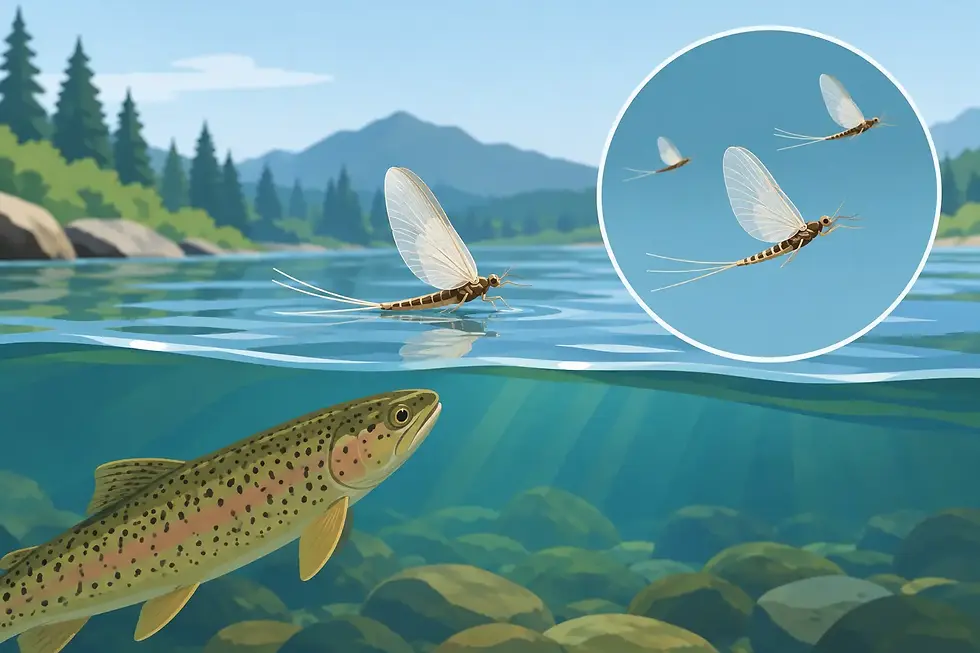
A trout rises once, leaves a soft ring, then ignores the dry fly that looks close enough to fool you. That is often an emerger situation. Learning how to rig an emerger puts your fly where a natural insect is most vulnerable: trapped just under the surface, climbing through the water column, or hanging in the film before its wings dry.
Emergers are not simply small nymphs or wet flies. They represent the brief stage between underwater life and flight, and trout can key on them with surprising selectivity. The right pattern matters, but a convincing rig, controlled depth, and drag-free drift matter just as much.
How to Rig an Emerger for the Hatch
Start by deciding where trout are feeding. If you see sipping rises, swirls, or fins breaking the surface without obvious splashes, fish are often taking emergers in or just below the surface film. If fish are not visibly rising but mayflies or caddis are active, they may be intercepting emergers several inches down.
For most trout water, a 9-foot tapered leader ending in 5X or 6X tippet is a practical starting point. Use 6X when fishing small size 18-22 mayfly emergers in clear, slow water. Step up to 5X for faster currents, larger flies, or trout that are less leader-shy. The goal is not to fish the lightest tippet possible. It is to give the fly natural movement while still landing fish efficiently.
Tie the emerger on with an improved clinch knot or another compact, dependable knot. A small knot preserves the fly's movement and keeps the presentation clean. Before making a cast, wet the knot and pull it firm. A failed knot after a good fish eats is a painful way to learn that step.
The most useful emerger rigs fall into three situations: a single emerger in the film, an emerger behind a dry fly, or an emerger fished below the surface with a light nymphing setup. Choose based on what trout are telling you, not simply on the flies already tied to your leader.
Fish a Single Emerger in the Surface Film
When trout are feeding quietly and consistently near the surface, a single emerger is often the cleanest presentation. This setup works especially well for patterns such as a Sparkle Dun, RS2, CDC emerger, or a sparse caddis pupa.
Grease the leader and tippet with floatant, but stop 2 to 3 inches short of the fly. Do not coat the emerger with gel floatant unless the pattern is designed to float high. You want the leader to ride on the surface while the fly hangs just beneath it. That slight separation creates the posture of a struggling insect trying to break through the film.
Cast upstream or up-and-across, then immediately manage slack. A reach cast can help keep the leader off conflicting currents. Watch the end of the fly line, your leader, and any pale wing post or shuck on the pattern. Takes are often subtle: a pause, a tiny twitch, or a barely visible dimple. Lift smoothly rather than striking hard. Fine tippet, small hooks, and short distances reward a controlled hook set.
This presentation is at its best on flat pools, spring creeks, and tailwaters where trout have time to inspect food. It can be less effective in broken pocket water, where a visible dry fly or a slightly deeper rig makes it easier to track the drift.
Let the Fly Sit at the End of the Drift
Do not pick up the line the moment the fly reaches the end of a drift. Allow the emerger to hang below you for several seconds, especially in a current seam or at the tail of a pool. A gentle lift at the end can imitate an insect ascending toward the surface. Trout frequently eat during this pause, so be ready.
Avoid overworking the fly. A natural emerger is carried by current more often than it is stripped. If you add movement, make it subtle: a slow lift, a short twitch, or a controlled swing.
Rig an Emerger Below a Dry Fly
A dry-dropper setup is one of the most reliable ways to fish an emerger when you need both visibility and depth control. Use a buoyant dry fly as the indicator and tie the emerger 12 to 24 inches behind it. On shallow riffles, 12 to 16 inches is usually enough. In deeper runs or when trout are feeding just below the surface but not committing to the dry, extend that distance to around 24 inches.
Choose a dry that can support the dropper without looking like a bobber. A foam-bodied terrestrial, bushy caddis imitation, or high-floating attractor dry works well in rough water. During a delicate mayfly hatch on calm water, a lighter dry may be necessary, but keep the emerger small and lightly dressed so it does not sink the top fly.
Tie the dropper tippet to the bend of the dry fly hook when using sturdy, down-eye dry flies. This is quick, effective, and easy to adjust. If you are fishing a small or delicate dry, tie the dropper to the eye of the dry fly instead. That can reduce leverage on the hook and help the dry sit more naturally.
This rig gives trout two clear options. They may take the dry, which is easy to see, or take the emerger just below it. When the dry hesitates, slides sideways, or disappears, set the hook. Do not assume every refusal is a missed dry fly take. Many are fish eating the trailing emerger.
A dry-dropper is particularly useful on freestone rivers where currents change quickly. It is also a good confidence rig for newer anglers because the dry fly provides a visible strike indicator without taking away the natural look of the emerger.
Fish an Emerger as a Light Nymph Rig
When a hatch is starting but no fish are rising, fish the emerger deeper. Trout may be feeding on insects before they reach the film, especially during cool weather, higher flows, or the early part of a hatch.
Use a small yarn or putty indicator, a long leader, and minimal weight. Position the indicator so the emerger drifts at the depth where fish are holding. In a shallow run, that may be only 18 inches above the fly. In a deeper seam, it may be 3 to 5 feet. Start lighter than you think. Emergers often look most natural when they drift and rise freely rather than being pinned to the bottom by too much split shot.
If you need weight, add one small split shot 8 to 12 inches above the fly. Tungsten-beaded emerger patterns may need no added weight in shallow water. In faster or deeper currents, pair the emerger as the trailing fly behind a heavier nymph. The heavier point fly gets the rig down, while the emerger rides slightly above it where trout often feed.
The trade-off is control. A weighted rig reaches depth more easily, but too much weight can make a light emerger drift unnaturally. If takes slow down, remove weight before changing flies. A small depth adjustment can be more valuable than cycling through half your fly box.
Use the Right Length of Tippet
The section between flies determines how the emerger behaves. On a two-fly rig, 14 to 20 inches of tippet between a heavier nymph and the emerger is a solid starting point. Shorten it in fast, shallow runs where you need control. Lengthen it in slower water when trout are feeding higher in the column and you want the emerger to move independently.
Keep the tippet diameter appropriate for the smallest fly. A size 20 emerger on thick 3X tippet loses much of its natural drift. For most trout fishing, 4X to 6X gives a practical balance of turnover, presentation, and strength.
Read the Rise Before Changing Your Rig
A splashy rise often means trout are taking adults or chasing insects near the top. A gentle sip, nose, or porpoising roll is more likely to signal emergers. When trout show their backs or tails as they roll, they may be feeding just below the surface rather than actually breaking through it.
Watch for insect shucks on the water, mayflies struggling to stand upright, or caddis popping from the surface. Those clues tell you an emerger is worth fishing even if your dry fly is getting attention from smaller fish but ignored by better trout.
Color is usually secondary to size, silhouette, and depth. Carry proven emergers in the common hatch shades: olive, gray, tan, brown, and black. A small olive pattern can cover many blue-winged olive situations, while gray and tan emergers handle a wide range of mayfly and caddis activity. Discount Quality Flies focuses on dependable trout patterns because the fly you can fish confidently and replace affordably is the one that earns a regular spot in your box.
Make the Drift Do the Work
The best emerger rig fails if it drags. Mend early, keep as much line off the water as conditions allow, and position yourself for a short, controlled drift. In complex currents, take one step closer rather than attempting a long cast across several seams.
If trout refuse the fly, change one variable at a time. First adjust depth. Then improve the drift. Next try a smaller pattern or lighter tippet. Changing everything at once makes it hard to learn what fish actually wanted.
An emerger earns its place because it fishes the moment trout often find easiest to eat. Keep the rig simple, match the level where fish are feeding, and give the fly a clean drift. The next quiet rise may not be a refusal at all. It may be the cue to fish just under the surface.