What Causes Fly Drag? Fix Your Drift for Trout

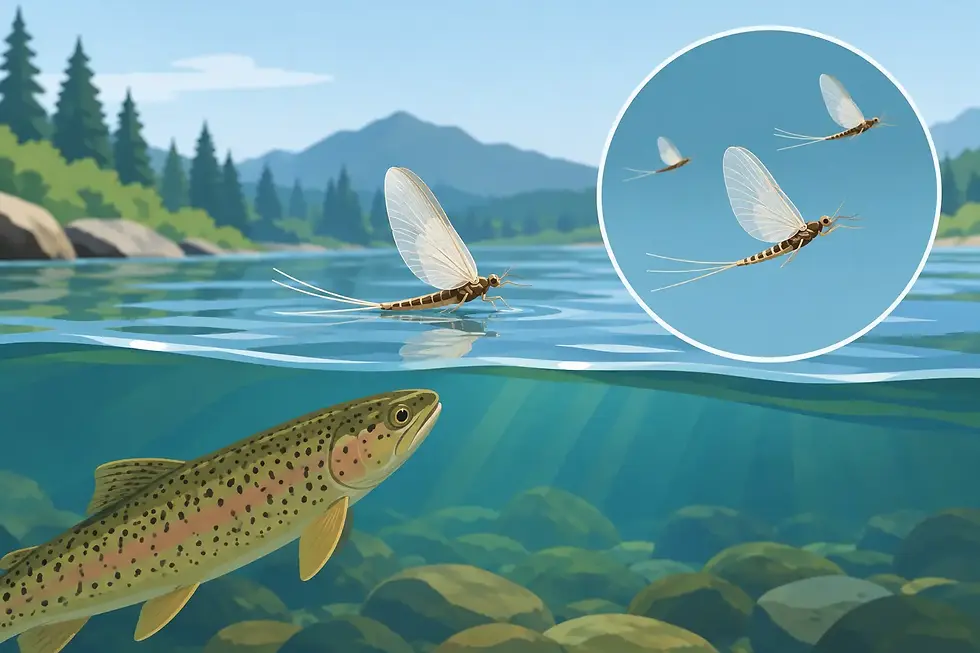
A trout holding in a clear seam may ignore a perfectly matched mayfly pattern for one simple reason: it moves differently than the naturals. If you have wondered what causes fly drag, the short answer is conflicting currents pulling on your line, leader, or fly. The useful answer is knowing where that pull starts and how to prevent it before your drift reaches a good fish.
Drag is one of the most common reasons anglers get refusals, especially on dry flies, emergers, and small nymphs in clear water. The good news is that it is usually a presentation problem you can see, diagnose, and improve without buying more expensive gear.
What Causes Fly Drag in Moving Water?
Fly drag happens when the current acts on some part of your system at a different speed than the water carrying your fly. A river is rarely moving at one uniform pace. Fast water may run through the center of a seam while slow water curls near a bank, behind a rock, or along a foam line. Your fly can be in slow water while several feet of floating fly line sit in fast water.
That faster current grabs the line and pulls it downstream. The resulting tension makes the fly skate, wake, swing, or move unnaturally across the current. On a dry fly, you may see a tiny V-shaped wake. On a nymph rig, the signal can be subtler: the indicator moves sideways, accelerates unexpectedly, or travels faster than the bubbles around it.
Trout are used to seeing insects drift at the speed of the water. A drifting mayfly dun does not suddenly race sideways because a faster current twenty feet away has caught it. When your fly does, selective fish often refuse it.
The line is often the real culprit
Anglers naturally watch the fly, but most drag begins upstream of it. Too much line on the water gives multiple currents more material to grab. A long reach cast can be useful, but only if it puts the right amount of line in the right lane. Casting farther than necessary often adds a drag problem rather than solving one.
Leader placement matters too. A leader stretched straight downstream may transfer tension quickly to the fly. In some situations, a little slack in the leader creates a more forgiving drift. That does not mean piling line into a tangle. It means giving the fly enough freedom to drift naturally before the current tightens the system.
Current seams create conflicting speeds
A seam is productive because it delivers food, cover, and different current speeds close together. It is also where drag becomes most likely. If your fly lands on one side of the seam and your line lands on the other, the two currents immediately begin working against each other.
Pocket water presents a similar challenge. A dry fly might land nicely in a soft pocket behind a boulder, while the line lies across a fast chute. The current pulls the line tight almost at once. In these spots, accurate short casts and quick mends generally catch more trout than long casts that cover several lanes of water.
How to Spot Drag Before Trout Do
Visible dry-fly drag is easy to identify once you know what to watch for. Look for a wake behind the fly, a fly that moves faster than nearby foam, or a fly that stops drifting naturally and begins swinging toward the bank. If a trout rises close to the fly and turns away, drag is a strong suspect, though fly size, profile, and tippet can matter too.
Nymph drag can be harder to see because the fly is underwater. Watch your indicator or sighter against the current. If it shoots ahead of the foam line, pauses unnaturally, or gets pulled across a seam, your flies may be dragging below. In shallow runs, a nymph rig that is moving too fast often fails to get down and stay in the trout's feeding lane.
A useful habit is to use bubbles, leaves, or small pieces of foam as drift references. Your fly or indicator should travel at roughly the same speed as those natural markers. When it does not, make a change on the next cast instead of repeating the same drift.
Fix Fly Drag With Better Position and Casts
The simplest drag fix is often moving your feet. Try to stand where you can cast more directly upstream or across-and-upstream to the feeding lane. This reduces the amount of line that must cross faster water. Wading a few careful steps can do more for a drift than changing through half a fly box.
Avoid casting directly downstream when possible. A downstream cast often puts immediate tension on the line and can make a dry fly skate. There are exceptions, particularly when fishing a controlled swing or a specific downstream dry-fly presentation, but a dead drift is easier to achieve from upstream or across-and-upstream.
Shorter casts help as well. Trout do not award points for distance. If you can get close enough to make a 20-foot cast instead of a 45-foot cast, you have less line exposed to conflicting currents and more control over the entire drift.
Use aerial mends before the line lands
An aerial mend places slack in the line during the cast, before it touches the water. A reach cast is a dependable example. As the line straightens, move the rod upstream or downstream to position the line on the side of the fly that will resist drag.
If faster current sits between you and the fly, an upstream reach can buy valuable seconds of natural drift by placing extra slack upstream. If current below the fly is likely to pull it, a downstream reach may be the better answer. The correct direction depends on the current lanes, which is why watching the water before casting pays off.
These casts do not need to look fancy. A controlled reach that gives your fly three extra feet of clean drift is more useful than a perfect-looking cast that lands in the wrong current.
Mend Early, Lightly, and With Purpose
Once the line is on the water, mending lets you reposition it without moving the fly too much. The key is to mend early. Waiting until the fly is already skating usually means the current has built enough tension that a hard mend will yank the fly even more.
For a standard upstream mend, lift the rod tip enough to free the line from the surface, then move it upstream and lower it softly. Think of moving the line, not ripping it. A big, forceful mend can pull a dry fly under or drag a nymph rig off its depth.
Mends should solve a specific problem. If fast water is pulling the line below your fly, mend upstream. If a slow pocket is holding your line back while the fly enters faster water, a downstream mend may keep the drift from stalling. Fish each run with attention to how the currents change rather than applying the same mend automatically on every cast.
Rigging Choices That Reduce Drag
Your setup can make drag easier or harder to manage. A longer leader can keep thicker fly line farther from the fly, which is helpful in clear, smooth water. The trade-off is that very long leaders can be harder to turn over in wind or tight quarters. For many trout situations, choose a leader length you can cast accurately and adjust from there.
Fine tippet also creates less surface disturbance and can improve a dry fly's drift, but it is not always the answer. If you are fishing heavy nymphs near wood, large trout, or fast water, tippet strength matters. Use the lightest tippet that fits the fly size, water clarity, and fish you expect, rather than automatically going as light as possible.
For nymphing, a tight-line or Euro-style setup can reduce surface-line drag because less line rests on conflicting currents. An indicator rig can still be highly effective, especially when covering deeper runs, but it benefits from careful line management and frequent mending. Neither approach is universally better. Match the rig to the depth, current speed, and water you can effectively reach.
Dry-fly anglers can also reduce drag by selecting patterns that float well and remain visible without excessive false casting. Proven parachute dries, attractor patterns, and appropriately sized mayfly or caddis imitations make it easier to monitor the drift. A quality fly that rides correctly gives you a better chance to see the first sign of trouble.
Practice on Easy Water First
Do not wait for a difficult tailwater trout to teach you about drag. Practice on a simple run where you can clearly see foam lines and shallow current seams. Make the same cast several times, changing only line placement or one mend. You will quickly see which adjustment adds seconds to the natural drift.
Carry a practical selection of dry flies, emergers, nymphs, and caddis patterns so you can match the food trout expect, then give that pattern the presentation it deserves. Discount Quality Flies is built around that same idea: proven trout patterns should be durable, effective, and affordable enough to fish with confidence.
The next time a trout refuses a fly that looks right, do not immediately blame the pattern. Watch the line, read the current lanes, and give the fly a cleaner ride. Often, the difference between being ignored and getting eaten is one well-placed mend.