10 Best Emerger Flies for Trout

Most trout anglers have watched fish rise steadily, changed through three dry flies, and still come up empty. That usually means the trout are not eating fully hatched bugs on top. They are keyed on insects stuck in or just under the surface film, which is exactly when the best emerger flies for trout earn their keep.
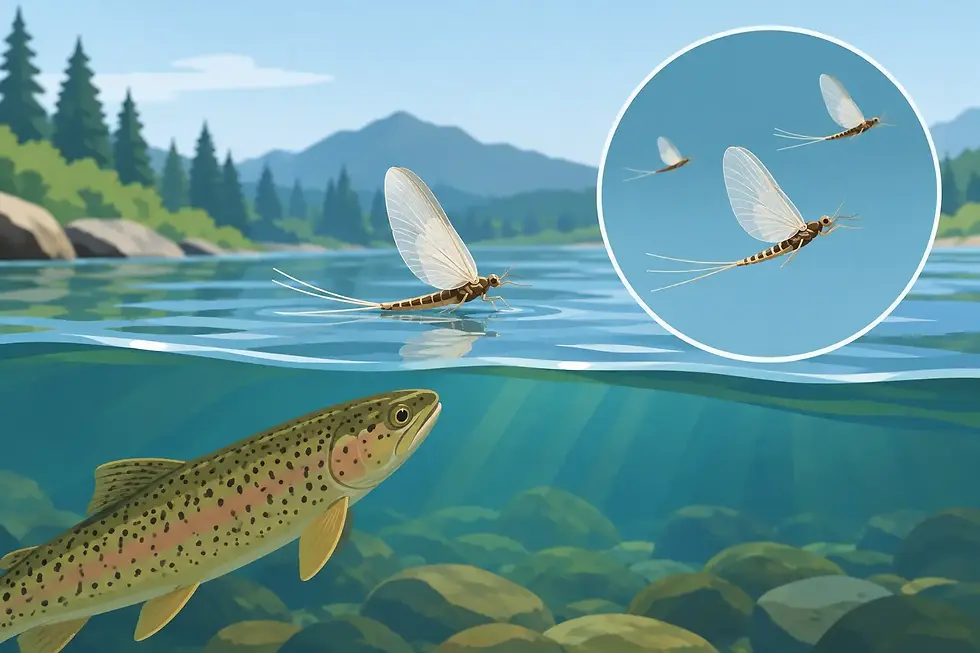
Emergers sit in the sweet spot between nymphs and dries. They imitate vulnerable insects as they ascend, struggle to hatch, or drift helplessly in the film. Trout love that stage because it is easy food with very little risk. If you want more consistent hookups during hatches, a solid emerger selection is not optional. It is one of the smartest parts of a trout fly box.
Why the best emerger flies for trout work so often
A lot of anglers think of emergers as "hatch flies," but they are more useful than that. On pressured rivers and technical tailwaters, trout often inspect surface food carefully. A perfect high-floating dry can still get refused if fish are focused an inch lower. An emerger looks trapped, realistic, and vulnerable in a way a standard dry sometimes does not.
That matters on mayfly hatches, caddis hatches, midge hatches, and even during slow periods when fish are sipping selectively. Emergers also cover a wide range of feeding behavior. You can fish them dead drift under the film, in a dry-dropper setup, or swung at the end of the drift to imitate ascending insects. Few patterns are that flexible.
The trade-off is visibility. Emergers are often harder for the angler to see than a bushy dry fly. That means strike detection matters. Sometimes the best approach is to fish a more visible dry as an indicator and trail the emerger behind it.
10 best emerger flies for trout
If you are trying to build a box that covers real fishing conditions without wasting money on gimmicks, these patterns are proven choices.
RS2
The RS2 is one of the most dependable emerger patterns ever tied, especially on tailwaters and spring creeks. It suggests a midge or small mayfly emerger without being overly specific, which is a big reason it works so well. Sparse materials, a slim profile, and soft movement give it a natural look in the film.
Fish it in smaller sizes when trout are keyed on tiny bugs. Gray, olive, black, and cream all have their moments, but gray is a strong everyday option. If you fish technical water where trout refuse bulkier flies, the RS2 belongs near the top of your list.
The WD-40 is another confidence fly for picky trout. It is subtle, slim, and especially effective when midges or small baetis are present. It does not scream for attention, which is exactly why fish trust it.
This pattern shines in slow currents, clear water, and winter conditions when trout feed on small insects with plenty of time to inspect your presentation. It is not the fly you choose for easy tracking on rough pocket water. It is the fly you choose when trout are feeding softly and everything else looks too loud.
Barr's Emerger
Barr's Emerger has earned its reputation by covering a lot of water types and insect stages. It can pass for a mayfly emerger, a general searching fly, or even a cripple depending on how it is tied and fished. The trailing shuck is a big trigger, especially during active hatches.
This is a strong choice when trout are rising but not fully committing to dries. It fishes well under a dry, in tandem with another nymph, or alone on a long leader in gentler water. If you want one of the best emerger flies for trout that bridges the gap between exact match and attractor, this is it.
Soft Hackle Pheasant Tail
Not every emerger needs to be tied as a classic film-rider. A Soft Hackle Pheasant Tail is one of the most versatile trout flies you can carry because it covers nymph, emerger, and ascending insect behavior all at once. The soft hackle breathes in current, and the pheasant tail body gives a natural buggy profile.
This pattern is especially good during mayfly hatches when trout are intercepting insects below the surface. Let it drift, then rise at the end of the swing. That little lift often triggers hard takes.
CDC Comparadun Emerger
When trout are feeding just under the surface but still looking up, a CDC-style emerger can be deadly. The CDC Comparadun Emerger rides low, flush in the film, and gives a realistic silhouette without too much bulk. It is a strong option during baetis and PMD hatches.
Its main advantage is realism. Its drawback is durability compared with more heavily hackled patterns. That is the trade-off with many film flies. They look right, but after several fish they may need drying, dressing, or replacement.
Bubble Wing Emerger
The Bubble Wing Emerger imitates the trapped gas bubble or wing case of an emerging insect, and on selective trout that detail can matter. This pattern stands out during mayfly hatches when fish are locked on emergers instead of duns.
It is not always the first fly anglers reach for, but it can be the right answer on flat water or spring creeks where trout get a long look. Keep it in natural hatch colors and fish it on long, fine tippet when conditions call for a delicate presentation.
The Mercury Midge is a midge pattern first, but it absolutely earns a place among emerger flies because of how often trout eat it in the upper part of the water column. The bead creates a subtle trigger, and the slim body matches the size and shape of common midge pupae and emergers.
On winter tailwaters, crowded fisheries, and clear technical rivers, this fly catches fish when larger patterns fall flat. If your local water sees year-round midge activity, carrying a range of small sizes is money well spent.
Zebra Midge Emerger Setup
A standard Zebra Midge is often thought of as a subsurface fly, but fished lightly weighted or in the film under a small dry, it behaves a lot like an emerger. That is why so many experienced anglers keep reaching for it. Black, red, olive, and purple all produce depending on water and light.
This is a practical pattern for anglers who want maximum value from a simple fly selection. It is easy to fish, easy to stock in multiples, and consistently effective in rivers and tailwaters where trout see a lot of pressure.
Sparkle Pupa
For caddis, few patterns are more reliable than the Sparkle Pupa. The shuck and tapered body suggest a caddis insect rising toward the surface, and trout often crush it before the adults ever appear. During caddis activity, fish are frequently feeding below the obvious splashy rises, and this fly gets right into that zone.
Dead drift it first, then let it lift at the end. That combination matches natural caddis behavior better than a perfectly static drift alone. If you mostly think "mayflies" when you hear emerger, the Sparkle Pupa is your reminder not to ignore caddis.
X-Caddis
The X-Caddis rides higher than some patterns on this list, but it still belongs here because it excels at imitating an emerging or crippled caddis adult. The trailing shuck is the key. Trout often prefer that vulnerable look over a clean, fully upright caddis dry.
It is also easier to see than many low-riding emergers, which makes it a good bridge fly for anglers who want the benefits of an emerger without constantly losing sight of it. In rougher water or fading evening light, that visibility matters.
How to fish emerger flies without overcomplicating it
Start by watching the rise forms. If trout are bulging just below the surface, making subtle head-and-tail rises, or refusing standard dries, an emerger should be your first adjustment. You usually do not need a complicated rig. A single emerger on a long leader can be enough in slow water, while a dry-dropper setup makes more sense in riffles or mixed currents.
Depth matters, but not by much. Many of the best emerger flies for trout work in the top few inches of the water column. Too much weight can pull them out of the feeding lane. Too little control can leave you with drag. The right balance depends on current speed, insect type, and how trout are feeding that day.
Presentation usually beats pattern obsession. A decent baetis emerger with a clean dead drift often outfishes the exact hatch match that drags. The same goes for caddis. If your fly swings naturally at the end of the drift, that can be a plus, not a mistake.
Building an emerger box that actually makes sense
You do not need twenty versions of every insect stage. Most anglers can cover a lot of water with a practical mix of RS2s, WD-40s, soft hackles, a few mayfly-specific film flies, and at least one strong caddis emerger like the Sparkle Pupa or X-Caddis. Focus on sizes and colors that match your local fisheries rather than buying random patterns that look good in a catalog.
For many trout anglers, the smartest buy is depth in proven patterns. Carry enough duplicates in the sizes you actually fish. Emergers get chewed up, lost, and waterlogged. A good fly is only a deal if you have it when the hatch starts.
That is where a value-focused shop like Discount Quality Flies makes sense. Proven patterns, solid tying quality, and fair pricing let you stock the flies you will really use instead of rationing the good ones.
If trout are rising and your dry is getting ignored, do not assume the hatch is over or the fish have stopped feeding. More often, they are feeding an inch lower than you think, and that small adjustment is where some of the best days happen.