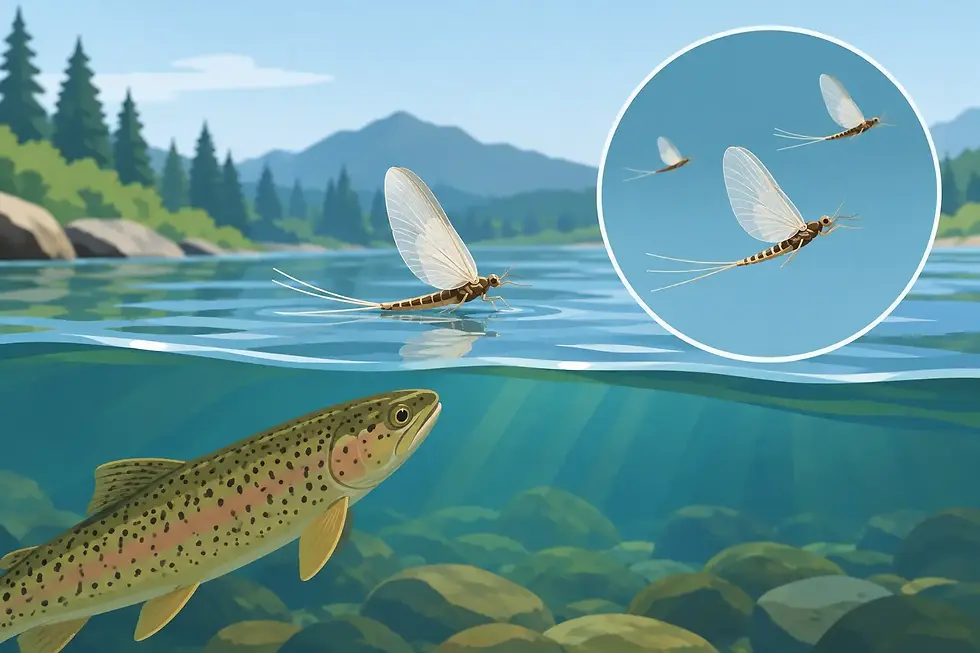
12 Best Nymphs for Trout Streams

A trout stream can make you feel underprepared fast. One hour the fish are eating tiny mayfly nymphs in soft seams, and the next they want something buggy, dark, and drifting near the bottom. That is why building confidence around the best nymphs for trout streams matters so much - not just owning more flies, but carrying patterns that keep producing across changing water, seasons, and hatches.
For most stream anglers, a small group of proven nymphs will cover far more water than an oversized box stuffed with patterns that rarely get tied on. The goal is simple: carry flies that imitate the insects trout actually see every day, fish them in the right size and depth, and replace guesswork with a system that works.
What makes the best nymphs for trout streams
The best stream nymphs are not always the most detailed or the newest. They are the flies that drift naturally, match common food sources, and hold up after fish and rocks have had their way with them. In moving water, trout get a short look. Shape, size, color, and depth usually matter more than perfect realism.
That is also where a lot of anglers overcomplicate things. In most trout streams, your strongest nymph selection needs to cover mayflies, caddis, stoneflies, and general attractor patterns. If your box handles those four categories well, you are ready for freestone creeks, larger rivers, and many tailwaters too.
Size is often the real trigger. A Pheasant Tail in size 18 can be the right fly when a size 14 gets ignored. The reverse is true during stronger bug activity or in slightly stained water. Weight matters too. Tungsten beads help you reach fish faster in deep runs and pocket water, while lighter patterns shine in slower riffles and skinny water where too much weight kills the drift.
12 best nymphs for trout streams
Pheasant Tail Nymph
If you had to start with one pattern, this would be near the top. The Pheasant Tail covers a huge range of mayfly nymphs and still catches fish when it is not matching anything exactly. It is slim, natural-looking, and effective in sizes 12 through 20.
Fish it as a lead fly in moderate current or as a dropper behind a larger attractor. In clear streams, this is often the first nymph trout trust.
Hare's Ear Nymph
The Hare's Ear is a classic for a reason. Its buggy profile suggests all kinds of aquatic food, from mayflies to caddis to general subsurface drift. It is one of the best choices when you are not seeing obvious hatch activity but know trout are feeding below.
A slightly flashier version can help in off-color water. A more natural one often shines in low, clear conditions.
Prince Nymph
Some flies simply get noticed, and the Prince Nymph is one of them. It does not imitate one insect perfectly, but it suggests stoneflies, larger mayflies, and attractor elements all at once. That makes it a strong searching pattern, especially in faster water.
Use it when you need a fly trout can pick out quickly. In pocket water and riffles, it is hard to leave out of the rotation.
Zebra Midge
Not every trout stream is driven by big bug activity. Midges matter in many streams year-round, especially during colder months and on pressured water. The Zebra Midge is one of the simplest and most dependable ways to cover that food source.
Black, red, olive, and purple all have their place, but black and red are the safe starting points. Sizes 18 to 22 do a lot of work when fish get selective.
RS2
The RS2 sits in that valuable zone between nymph and emerger, which is exactly why it catches so many trout. When fish are feeding just under the surface or refusing heavier flies near the bottom, the RS2 can save the day.
It is especially effective in technical water and tailwater-style conditions, but it earns a place in any stream box. Gray, olive, and black are useful colors.
Copper John
The Copper John is built for one job - getting down. In deeper runs, faster currents, and cold water periods when trout hug the bottom, it remains one of the best weighted nymphs available. It also offers enough flash to stand out without becoming gaudy.
Copper, red, black, and green all produce. If your drifts are missing the strike zone, this fly fixes that problem fast.
Frenchie
The Frenchie is one of the most reliable modern trout nymphs because it combines a slim mayfly profile with a hotspot that helps fish find it. It is especially effective when trout are keying on smaller nymphs but still want something with a touch of visual trigger.
This pattern excels under an indicator, in a tight-line setup, or as part of a two-fly rig. In many rivers, it has become a confidence fly for good reason.
Pat's Rubber Legs
For larger meals and rougher currents, Pat's Rubber Legs is a staple. It is widely used as a stonefly imitation, but trout often eat it as a general big nymph too. This is the kind of pattern you fish when runoff lingers, flows are pushy, or fish want calories.
It is also one of the best anchor flies in a tandem rig. Black, coffee, and brown are hard to beat.
Stonefly Nymph
A more natural stonefly nymph pattern still deserves a dedicated slot in your box. In many Western streams and lots of freestone rivers elsewhere, stoneflies are a major food source. Even where they are less dominant, trout respect a well-presented stonefly.
Use sizes 8 to 12 in deeper slots, around boulders, and near undercut banks. This is not subtle fishing - you are putting a substantial meal where trout expect one.
Caddis Pupa
Anglers often think first about caddis adults, but the pupa stage can be even more important underwater. A good caddis pupa pattern works during active emergence and throughout the day when trout are picking off drifting insects subsurface.
Olive, tan, and cream cover a lot of situations. If your mayfly patterns are getting ignored and you know caddis are around, switch sooner rather than later.
San Juan Worm
No, it is not fancy. Yes, it still works. In streams after rain, during high water, or anytime worms get washed in, this pattern can outperform more elegant flies by a mile. It also remains a strong confidence option for newer anglers because trout usually eat it without much hesitation.
Red, pink, and worm brown all have their moments. Fish it without apology when conditions call for it.
Soft Hackle Nymph or Wet Fly
Some days trout do not want a dead-drifted bottom fly. They want movement. A soft hackle nymph or wet fly is excellent when insects are emerging and fish are feeding in the middle of the water column.
Let it swing at the end of the drift or add slight tension through likely lanes. That subtle motion often triggers fish that ignored everything else.
How to choose the right nymph for the stream in front of you
Start with what the stream naturally offers. Rocky freestone streams usually call for stoneflies, mayflies, caddis, and attractor nymphs that can handle broken current. Smoother spring creeks and technical tailwater-style fisheries often reward slimmer patterns, smaller sizes, and more exact color choices.
Water speed changes the equation too. In fast current, trout have less time to inspect a fly, so getting to the right depth matters more than fine detail. In slow, clear water, the opposite can be true. A bulky tungsten pattern may sink well, but it can look unnatural if the drift is too abrupt.
Season matters, but not in a rigid way. Spring often means stoneflies, caddis, and higher flows. Summer can bring more mayfly and caddis variety, along with lower, clearer water. Fall still offers strong nymph fishing, often with bigger food items back in play. Winter usually pushes anglers toward smaller, more controlled presentations, especially with midges and little mayfly nymphs.
Building a practical nymph box without overspending
A smart box is built on coverage, not clutter. For most trout streams, you do not need six versions of every pattern. You need a few proven flies in the sizes you actually fish. A practical approach is to carry your core patterns in two or three sizes and both natural and slightly brighter options where it makes sense.
That is where value matters. Good flies should not fall apart after a few fish, but there is also no reason to overpay for dependable everyday patterns. A retailer like Discount Quality Flies makes sense for anglers who want durable, proven trout flies without filling a cart full of markup.
If you are just building your first nymph selection, start with Pheasant Tails, Hare's Ears, Zebra Midges, Frenchies, Copper Johns, and one larger stonefly pattern. Add caddis pupae and attractor options once that base is covered. That setup will fish well in far more streams than most anglers realize.
Fishing the best nymphs for trout streams more effectively
Presentation still beats pattern choice more often than anglers want to admit. If your nymph is not drifting at the trout's level, the right fly will still fish poorly. Watch your indicator or leader carefully, adjust weight before changing patterns too quickly, and make sure your drift matches the current lane where the fish are holding.
It also pays to think in pairs. A larger anchor fly like Pat's Rubber Legs or a stonefly nymph can get the rig down, while a smaller Pheasant Tail, RS2, or Zebra Midge rides behind it as the more exact meal. In shallow riffles, though, a single lighter nymph may drift more naturally and snag less.
Confidence matters more than most people admit. The best nymphs are the ones you understand well enough to fish correctly, adjust intelligently, and stick with long enough to learn what they do in real water. Build around proven patterns, keep your sizes practical, and let the stream tell you when to go smaller, heavier, brighter, or more natural.
A well-chosen nymph box does not just save money - it helps you fish with more purpose, which usually means more trout and fewer wasted casts.