Elk Hair Caddis Review for Trout Anglers

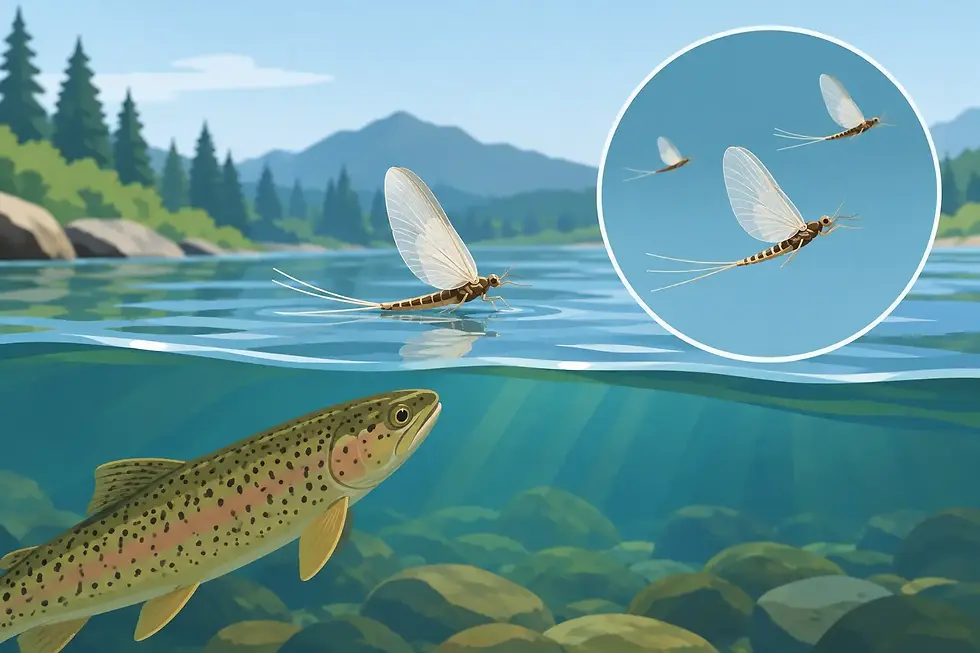
A trout takes an Elk Hair Caddis with purpose. There is rarely a delicate sip when fish are keyed on caddis adults drifting through a riffle. In this elk hair caddis review, we look at why this old-school dry fly still earns a place in a working trout box, where it outperforms more realistic patterns, and when a different fly is the smarter choice.
Elk Hair Caddis Review: Why the Pattern Works
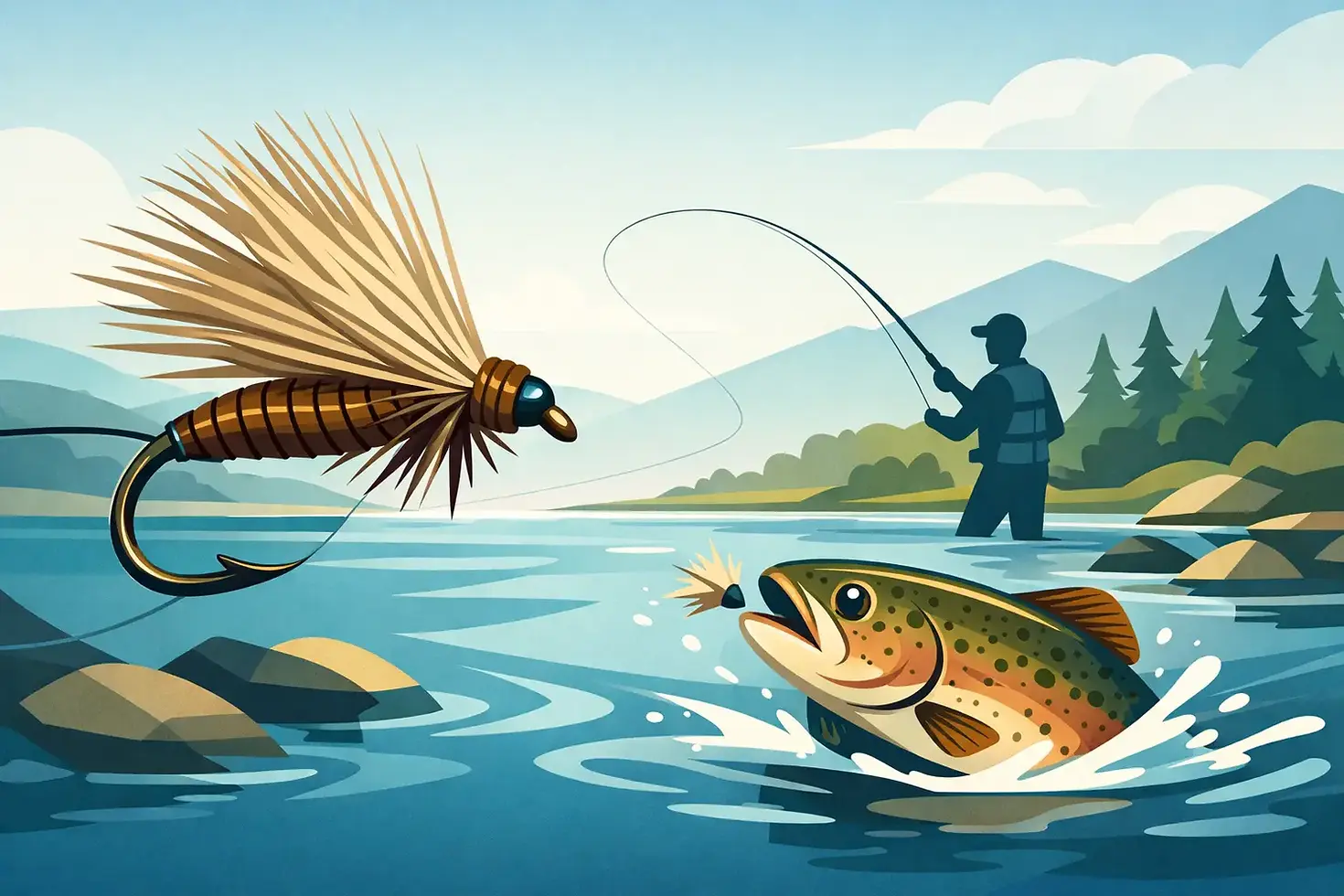
The Elk Hair Caddis is a high-floating, impressionistic dry fly designed to suggest an adult caddisfly. Most versions use a dubbed body, palmered hackle, and a swept wing of elk hair. That combination creates a profile trout recognize while giving the fly enough flotation to handle broken water, fast current, and repeated strikes.
Its biggest advantage is practicality. The elk hair wing is naturally buoyant and easy to see, while the hackle supports the body on the surface film. Anglers can fish it through pocket water and riffles without stopping to dry the fly after every drift. For everyday trout fishing, that matters more than a perfectly detailed imitation that sinks after two casts.
The pattern also covers more than one situation. A tan, brown, olive, or black Elk Hair Caddis can suggest a specific caddis species, but it can also pass for a small terrestrial or a generic adult insect struggling on the surface. Trout do not always require a precise match. In faster water especially, a convincing silhouette, sensible size, and clean drift often matter most.
That said, the fly is not magic. On slow, clear water where trout are inspecting every offering, its heavy hackle and elevated profile can look less natural than a low-riding CDC caddis or an adult imitation with a slimmer wing. The Elk Hair Caddis is at its best when fish have limited time to decide.
Where an Elk Hair Caddis Shines
This fly belongs on freestone rivers, mountain streams, and any water with enough current to keep trout looking up. It is particularly effective in late spring through fall, when adult caddis are active and trout are accustomed to seeing insects skating, drifting, or being pushed across the surface.
Fish it through riffles, seams, pocket water, and the soft edges behind boulders. These are places where the fly's buoyancy becomes a real advantage. A delicate dry may look great in a flat pool, but it can disappear or drown in choppy current. An Elk Hair Caddis stays visible and stays fishing.
It is also a dependable searching pattern. When you do not see a clear hatch but expect trout to take a dry, a size 14 or 16 in tan or olive is a sensible first choice. Cover likely holding water methodically. Start at the downstream end of a run, then work upstream one good drift at a time. The fly is durable enough for this kind of prospecting, which is another reason experienced anglers keep a supply on hand.
During a true caddis hatch, pay closer attention to size and color. Cream, tan, olive, and dark-bodied adults can all appear on the same river at different times of year. You do not need a dozen variations to begin, but having a few useful colors in sizes 12 through 18 makes matching local bugs much easier.
Best Sizes for a Practical Fly Box
For many trout waters, sizes 14 and 16 are the core of an Elk Hair Caddis selection. They cover a broad range of adult caddis and remain easy to track in broken water. A size 12 is useful on larger rivers, during big evening hatches, or when you want a more visible attractor dry. Size 18 matters on selective tailwaters and smaller insect hatches, though it demands a lighter presentation and more careful drag control.
If you are building a box on a budget, begin with tan and olive in sizes 14 and 16, then add a few dark size 18s. That small group will handle a surprising number of days on the water without filling your box with near-duplicates.
How to Fish It for More Trout
A drag-free drift is the starting point. Cast upstream or up-and-across, throw enough slack into the line to let the fly drift naturally, and mend before the current pulls the fly off course. The Elk Hair Caddis can catch fish while moving, but unintentional drag is still one of the fastest ways to turn interested trout away.
In pocket water, a short, accurate cast is better than a long one. Land the fly above the holding lie, let it drift through the seam, and be ready immediately. Trout positioned behind rocks and current breaks have little time to inspect a meal. A buoyant caddis pattern that lands cleanly can draw fast takes.
A little action can help when natural caddis are skittering. At the end of a drift, let the fly swing slightly, then add one or two short rod-tip twitches. Do not overwork it. The goal is to suggest an insect trying to escape, not to pull the fly across the river like a popper.
The Elk Hair Caddis also makes an excellent indicator dry for a small dropper. Its hackle and hair wing can support a light nymph on moderate tippet, especially in sizes 12 through 16. Keep the dropper short enough for the water depth and avoid overloading the dry with a heavy beadhead. If the dry begins to sink, the setup is no longer presenting as intended.
Strengths, Limits, and What to Watch For
The pattern's strengths are straightforward: flotation, visibility, durability, and broad caddis-like appeal. It is a fly you can tie on with confidence when the water is moving and trout may take a dry, even if you are not certain of the exact hatch.
Its limits are equally useful to understand. In glassy pools, spring creeks, and heavily pressured tailwaters, trout may prefer an adult that rides lower in the film. If fish repeatedly rise near your fly but refuse it, do not keep changing your cast alone. Downsize, use a less bushy caddis imitation, lengthen your leader, or switch to an emerger if the naturals are emerging rather than flying.
Pay attention to the fly after fish, false casts, and long drifts. Even a good elk hair wing can become waterlogged after enough use. A quick squeeze with an absorbent patch and a small amount of dry-fly floatant will usually restore its performance. Avoid coating the hackle and wing with so much gel that the fibers clump together. A light application before fishing, followed by powder or desiccant when needed, works well.
Quality matters here. A properly proportioned Elk Hair Caddis should have a secure hair wing, evenly wrapped hackle, and a body that does not unravel after a few trout. Discount Quality Flies focuses on proven trout fly patterns because a value-priced fly still needs to fish well, float properly, and hold together through real use.
When to Choose Another Caddis Pattern
Choose an Elk Hair Caddis when you need a durable adult dry in current. Choose a low-floating CDC caddis when trout are sipping quietly in smooth water. Choose a pupa or emerger when you see rising fish but few adult insects on the surface. And when trout are slashing at adults skating across the current, a more active caddis pattern or a carefully twitched Elk Hair Caddis may be the better answer.
The useful lesson is not that one pattern replaces every other caddis fly. It is that the Elk Hair Caddis solves a very common problem: presenting a visible, believable dry fly where trout have to make quick decisions. Keep a few in practical sizes, fish them confidently through moving water, and let the river tell you when it is time to get more exact.