Why Are Trout Ignoring Flies? Fix the Problem
- Jen M

- Aug 15
- 6 min read
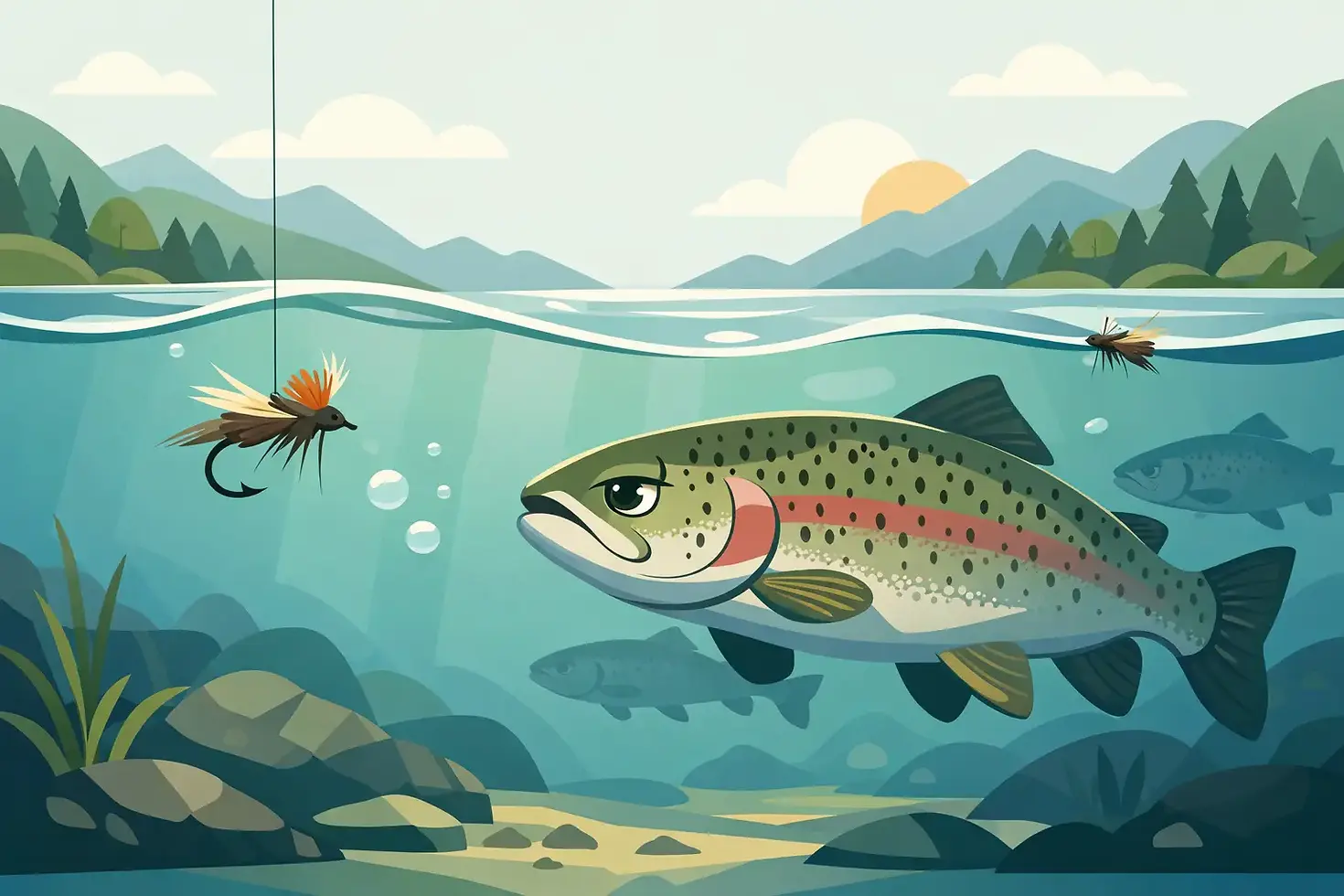
A trout slides six inches to inspect your dry fly, pauses beneath it, and disappears. That moment can make even a proven pattern feel useless. If you are asking, why are trout ignoring flies, the answer is rarely that trout have stopped feeding. More often, they are telling you that one piece of the presentation does not match what they expect.
Trout make quick decisions, especially in clear water, slow pools, and heavily fished tailwaters. They assess the fly’s size, profile, position, movement, and drift in a brief window. The good news is that refusals are useful information. Instead of cycling through half your fly box, use what the fish shows you to make a deliberate adjustment.
Why Are Trout Ignoring Flies Even When They Are Feeding?
A feeding trout is not automatically an easy trout. It may be locked onto a narrow food source, feeding at a specific depth, or simply seeing an unnatural drift before it sees the fly itself. The more selective the water, the more the details matter.
Start by separating a true refusal from a fish that never noticed your offering. A rise directly below or beside a dry fly, a flash behind a streamer, or a nymph indicator that hesitates without committing can mean the trout inspected the fly and rejected it. If there is no reaction at all, your fly may be in the wrong lane, too high or low in the water column, or passing too far from the fish.
That distinction saves time. A refusal usually calls for a smaller or more natural pattern and a cleaner drift. No response often calls for better depth, better positioning, or a more visible fly.
Your Drift Is Usually the First Problem
Trout are used to seeing real insects move at the speed of the current. When a dry fly skates, a nymph swings too soon, or a leader pulls the fly sideways, the drift looks wrong. On pressured rivers, a tiny amount of drag can be enough to shut down a rising fish.
Before changing patterns, make another cast with a better angle. Reach upstream, add slack to the leader, and mend only enough to keep the line from pulling the fly. On small streams, getting closer can reduce the amount of line on conflicting currents. On broad tailwaters, a longer, lighter leader may give the fly more time to drift naturally.
Watch the fly, not just the rise. A fish may take one foot after your fly begins dragging, which makes the problem easy to miss. If your dry fly is difficult to track, use a small, visible indicator fly several inches above the natural pattern. Just make sure the larger fly is not landing hard enough to spook fish in shallow water.
Dry fly drag can be subtle
A dry fly does not need to race across the surface to look suspicious. A small V-wake, a twitch caused by the leader, or a fly moving at a different speed than nearby foam can trigger a refusal. Compare your fly to natural insects drifting in the same seam. If they are not moving together, work on presentation before assuming you chose the wrong pattern.
You May Be Fishing the Wrong Depth
Many anglers see surface activity and fish dry flies all day. That can work during a strong hatch, but trout often feed just below the surface on emergers before and after the visible rise. A fish that ignores a fully floating mayfly imitation may eat the same insect pattern when it rides an inch under the film.
When dry flies draw looks but no takes, try an emerger behind the dry, or switch to a lightly weighted nymph and fish the upper portion of the water column. A soft hackle can be especially effective when trout are taking ascending insects. Let it drift naturally, then allow a gentle swing at the end of the run only if the current and feeding behavior support it.
For nymphing, depth is often the whole game. Trout commonly hold close to the bottom where current is slower and food collects. If your indicator never pauses, ticks bottom, or changes speed, your flies may be too shallow. Add tippet below the indicator, use a little more weight, or choose a heavier point fly. Make one change at a time so you can tell what improved the drift.
There is a trade-off. Too much weight snags bottom, shortens the natural drift, and can make delicate presentations clumsy. In shallow riffles, a lightly weighted nymph or small beadhead may be more effective than a heavy rig that plows through the run.
Size and Profile Often Matter More Than Color
When trout inspect but refuse a fly, anglers often reach for a different color. Color matters sometimes, particularly in off-color water or during bright insect hatches, but size and silhouette usually deserve attention first.
If fish are sipping tiny mayflies, a size 12 dry fly may look like a meal from another season. Step down gradually to a size 16, 18, or 20 pattern with a sparse profile. Fine tippet helps those small flies drift properly and prevents the leader from overpowering the presentation. On clear, calm water, that can mean moving from 4X to 5X or 6X, provided you can still land the fish without unnecessary pressure.
Do not assume smaller is always better. During runoff, after rain, or in stained water, trout may need a fly they can locate. A larger nymph, a bushier dry fly, or a streamer with some flash can outperform a tiny exact imitation. Match the fly to visibility as well as the hatch.
A useful rule is to study the natural first. Turn over a few rocks, watch what floats past, and look closely at the insects on the water. Notice their length, body shape, and whether they are adults, duns, spinners, or caddis. You do not need a perfect entomology lesson. You need enough information to avoid offering a bulky, oversized fly to trout feeding on delicate bugs.
Refusals Can Mean Your Fly Lands Too Hard
On small creeks and clear spring-fed water, the cast itself can end the opportunity. A heavy line splash, a leader that falls across a fish’s window, or a dry fly dropped directly over a trout can send it under cover.
Aim upstream and beyond the feeding lane so the fly arrives before the leader. Use a softer cast and keep false casting to a minimum. If wind makes precision difficult, shorten the cast rather than forcing a long one. A close, controlled presentation almost always beats a long cast with poor line control.
This is also where fly construction matters. A slim, sparse dry fly can land more quietly than a heavily dressed pattern. That does not make bushy attractors bad flies. They are excellent for broken water, pocket water, and fast current where trout have less time to inspect. In slow water, though, a lower-profile pattern often earns more confident takes.
Pressure and Conditions Change What Trout Will Accept
A fish in a remote freestone stream behaves differently from a trout in a popular tailwater that sees flies every day. On pressured water, trout may have learned to avoid bulky tippet, repetitive drifts, and common patterns presented poorly. They may slide off the main current seam and feed in softer edge water where they feel secure.
Bright sun can also make trout cautious, particularly in clear, low water. Look for shade lines, deeper slots, undercut banks, and broken current. Early and late light may bring fish into more open feeding lanes, while midday often requires a quieter approach and a more precise drift.
Water temperature affects feeding mood as well. In very cold water, trout may not move far for food, so put the fly near their holding level and slow down. In warm water, trout can become stressed. If water temperatures approach levels that threaten trout survival, choose another time or another fishery rather than pushing fish through a difficult fight.
Make Changes That Teach You Something
The fastest way to lose confidence is changing fly, leader, weight, depth, and casting angle all at once. If a trout ignores your fly, adjust the most likely issue first. Clean up the drift. Then change depth. Then refine size and profile. If conditions call for it, change color or add visibility.
Carry a practical range of proven trout fly patterns rather than a box full of near-duplicates. A few dependable dries, emergers, nymphs, and streamers in several useful sizes will cover most situations. Quality flies matter here because a durable hook, consistent proportions, and reliable materials let you focus on the decision instead of wondering whether the fly failed before the fish ever saw it.
The next refusal is not a verdict on your ability or your fly box. It is a close-range clue. Slow down, watch the current and the insects, make the smallest smart adjustment, and give that trout one more drift worth believing.


